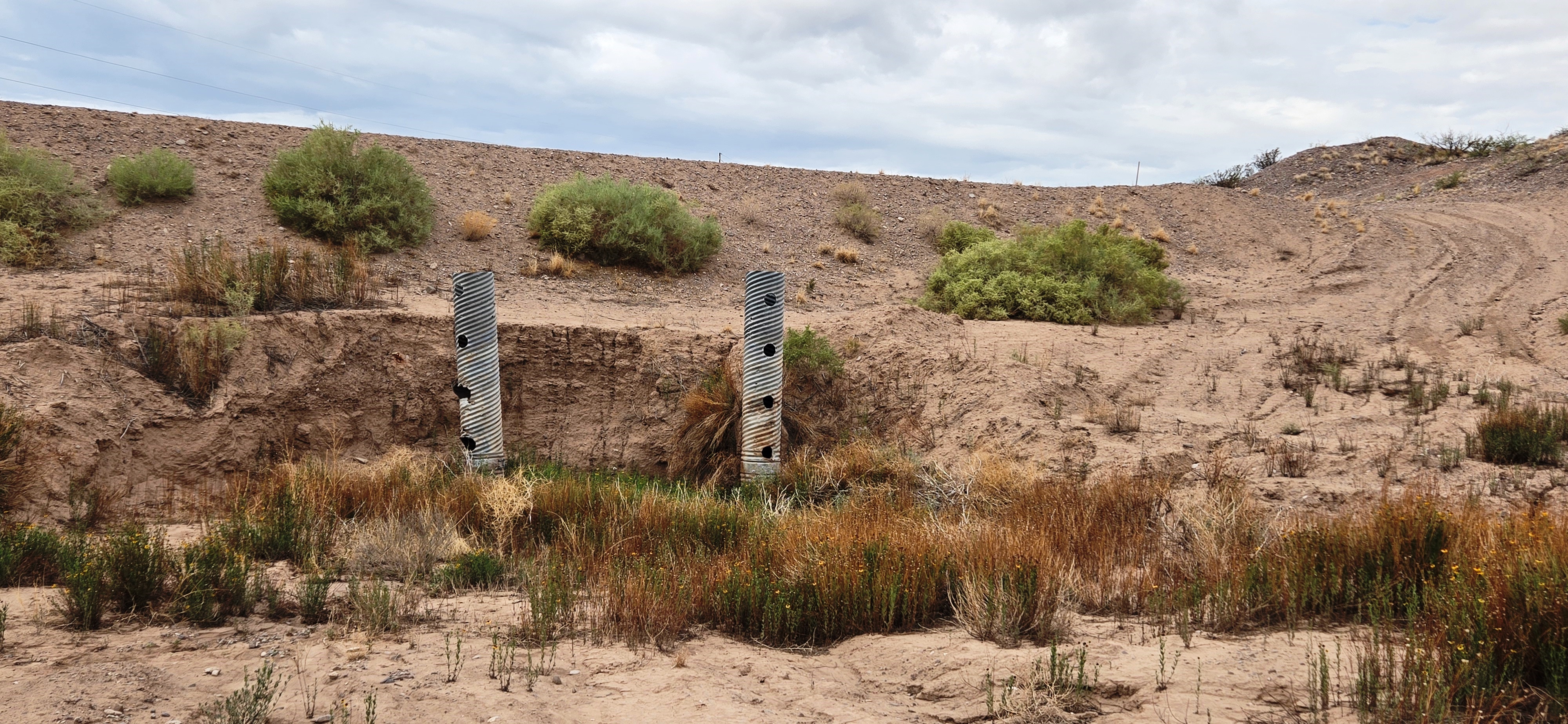
Cantrell Dam
City to Breach Cantrell Dam in Pursuit of Safer Flood Control
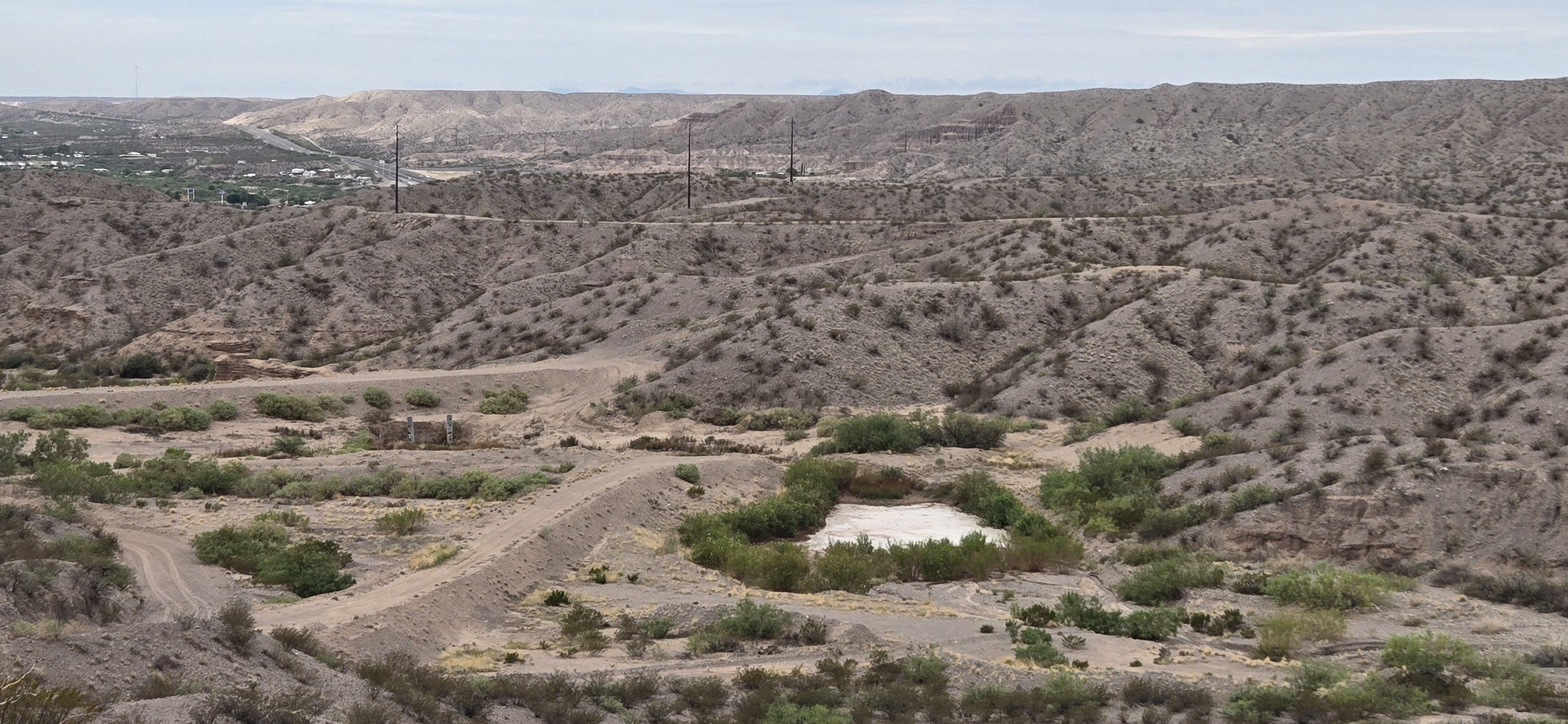
The city is taking a bold step toward modernizing its flood control infrastructure by moving forward with plans to breach Cantrell Dam. After years of inspections, maintenance challenges, and a significant flooding event, city officials have opted for a safer and more sustainable solution: replacing the aging dam with a contemporary stormwater management system.
The decision comes after a comprehensive engineering study by Wilson & Company, which concluded that breaching the dam is safer and more sustainable than rebuilding it. The plan includes constructing a new detention pond, improving drainage channels, and upgrading stormwater infrastructure to better protect the community from future flood risks.
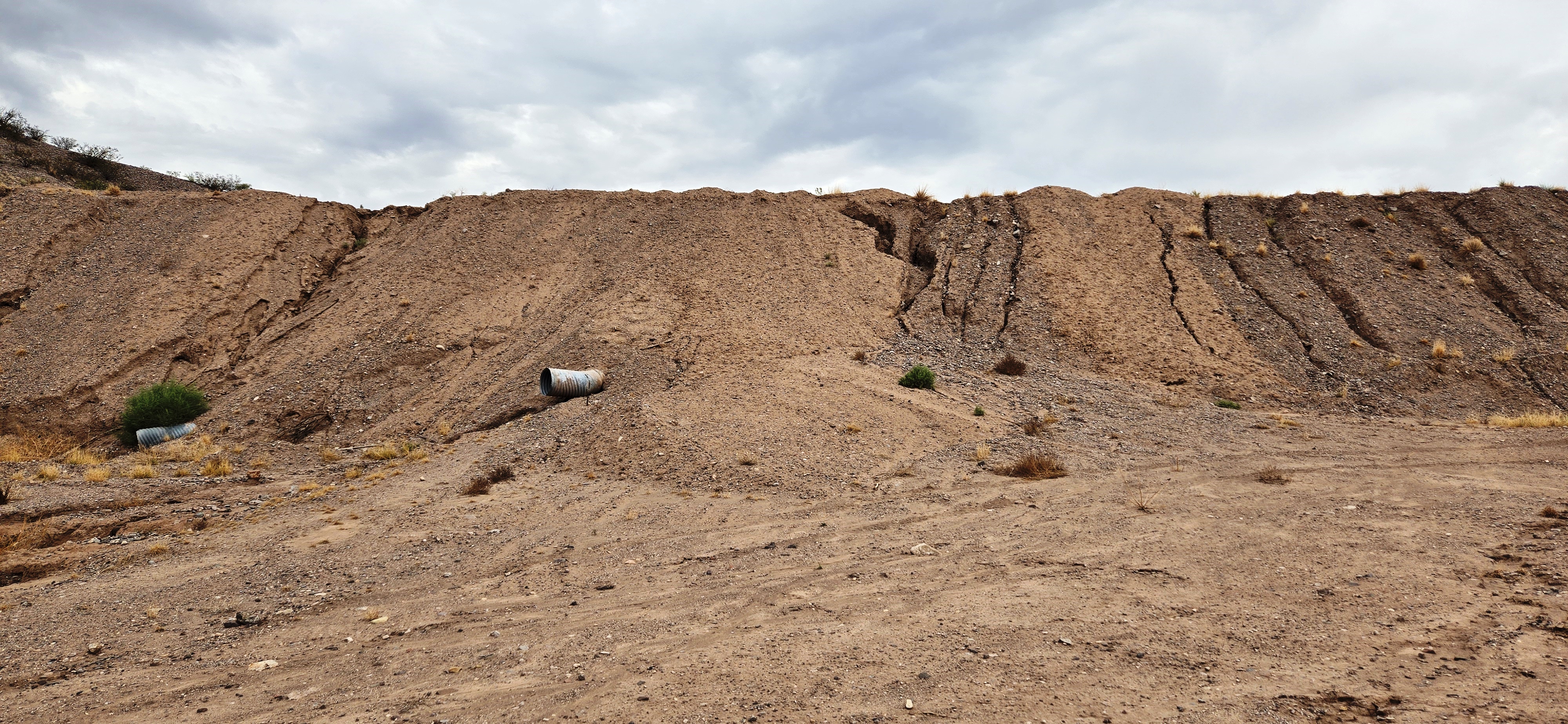
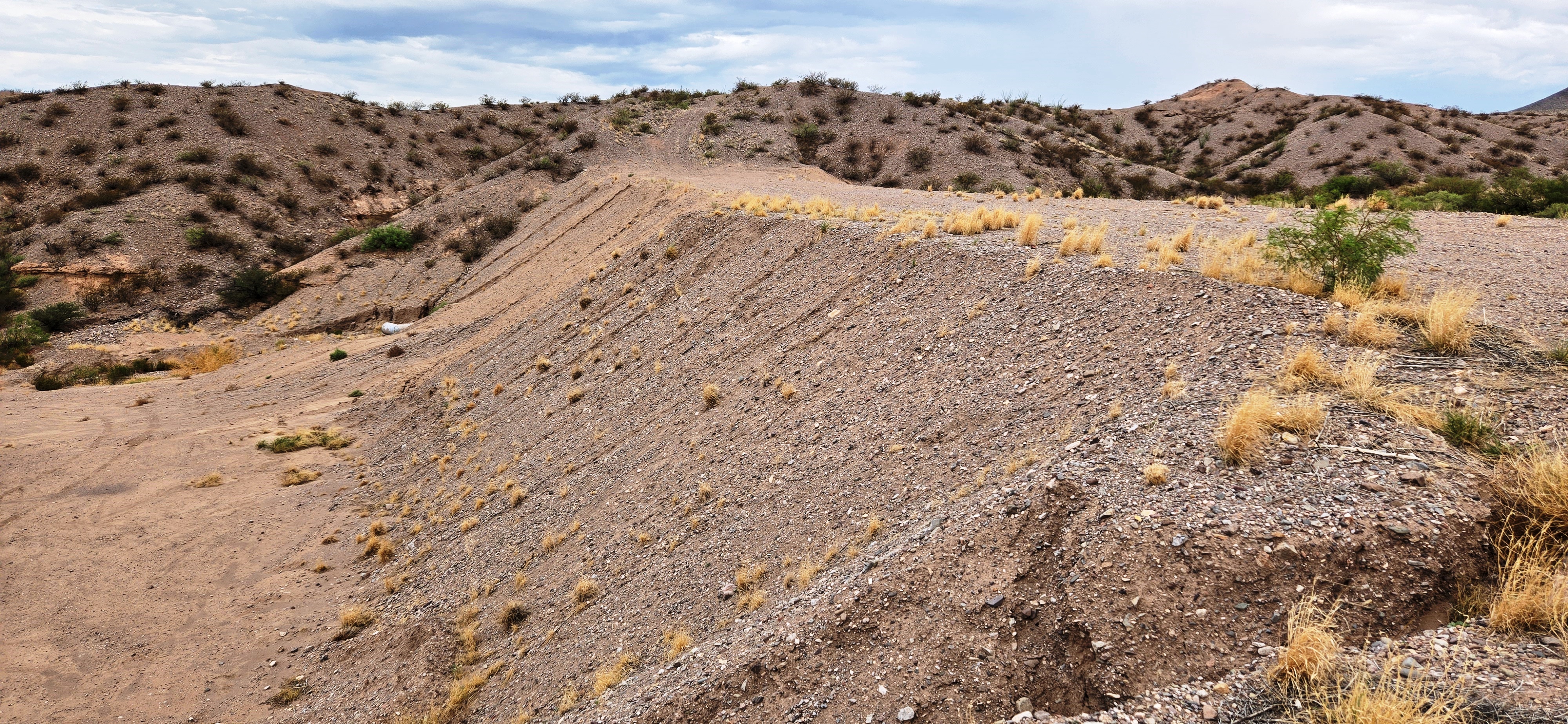
Cantrell Dam has long stood near the city, but its origins remain shrouded in uncertainty. Some believe it was a byproduct of the construction of Interstate 25. The Office of the State Engineer (OSE) began inspecting the dam in 1993 but reclassified it as a non-state dam in 2002, ending official oversight. Even before then, the city was consistently maintaining the structure, though questions about its safety and ownership persisted.
Those concerns came to a head in 2020 when a major storm caused the dam to overflow, resulting in damage to the Sierra County Fairgrounds, South Broadway Street, and the city’s park and sports complex.
Rebuilding the dam would require coordination with multiple agencies and ongoing maintenance that the city may not be equipped to manage. Instead, breaching the dam offers a more cost-effective and manageable solution that complies with state safety regulations. The breach will create a controlled channel designed to safely pass stormwater through the area, with energy -dissipating features to prevent erosion and capacity to handle a 100-year storm event.
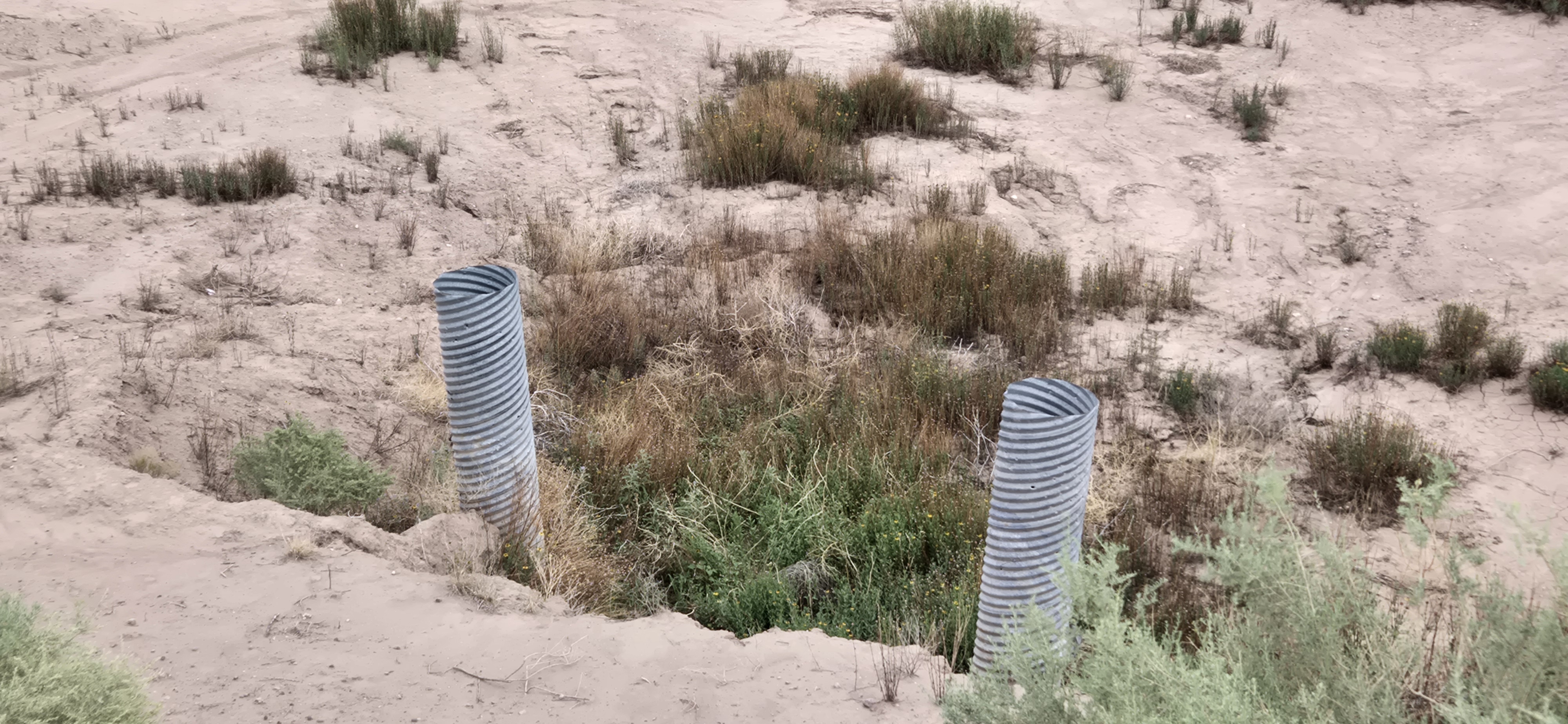
In place of the dam, a new detention pond will be constructed on city-owned land. This pond will collect runoff from several local arroyos, trap sediment, and reduce peak water flow to prevent downstream flooding. Because the land is owned by the city, maintenance and access will be much easier than with the existing dam.
A 48-inch storm drain will carry water from the pond to a natural arroyo south of Cook Street. The system is designed to stagger peak flows from different sources, reducing the risk of overwhelming the drainage infrastructure. Additional improvements include upgrades to the arroyo near Johnson Road and a safer crossing at Cook Street. Construction will feature erosion protection and riprap lining—a method that uses large rocks to concrete pieces to stabilize soil and protect waterways from the damaging effects of flowing water.
City officials emphasize that the goal is to create a safer, more reliable flood control system that protects residents and infrastructure. While Cantrell Dam has served a purpose for many years, the future lies in smarter, more sustainable engineering. The city expects to finalize its readiness documents by late summer, with grant agreements anticipated in August or September.
| UPDATE: 3/10/2026 | NMFA Water Trust Board - Cantrell Dam |
| PURPOSE: | The purpose of the Cantrell Dam improvement project is to enhance public safety, reduce flood risk, and modernize stormwater infrastructure in the Truth or Consequences area. Following years of limited oversight and a significant flooding event in 2020, the City of Truth or Consequences, in collaboration with Wilson & Company, initiated a plan to breach the aging Cantrell Dam and replace it with a more sustainable and maintainable flood control system. The project is designed to meet state regulatory standards while addressing long-standing drainage challenges. Key improvements include the safe breaching of the dam, construction of a detention and sediment capture pond, installation of a 48-inch storm drain system, and channel upgrades to existing arroyos. These measures will improve the conveyance and management of stormwater, protect downstream infrastructure, and support future development. By relocating critical infrastructure to city-owned land and incorporating modern engineering practices, the project ensures long-term resilience, environmental stewardship, and operational efficiency. |
| TIMELINE | Readiness documents expected to be finalized and submitted by late September; final executed grant agreements anticipated by end of year. |
| SCOPE | The project involves breaching the existing Cantrell Dam, which has been deemed outdated and difficult to maintain, and replacing it with a more sustainable stormwater management system. The breach will be approximately 385 feet long and engineered to safely convey a 100-year, 24-hour storm event, with built-in energy dissipation features to prevent erosion. Downstream of the breach, a new detention and sediment capture pond will be constructed on city-owned land to collect runoff from multiple arroyos, reduce peak flow rates, and trap sediment. This pond will include a riser structure, auxiliary spillway, and maintenance access roads to ensure long-term functionality. A 48-inch reinforced concrete storm drain will carry flows from the pond to an existing arroyo south of Cook Street, with the alignment crossing private property and paralleling Johnson Road. Channel improvements along the arroyo will include regrading, riprap lining, and erosion control measures. Additionally, the project includes enhancements at the Cook Street crossing, where a valley gutter and low-water crossing will manage surface flows from local basins. Together, these elements form a coordinated system that meets state regulatory standards, reduces flood risk, and supports future growth with more reliable and maintainable infrastructure. |
| BENEFITS | The Cantrell Dam improvement project offers a wide range of benefits for the City of Truth or Consequences and its residents. Most importantly, it enhances public safety by significantly reducing the risk of flooding in vulnerable areas such as the Sierra County Fairgrounds, South Broadway Street, and nearby neighborhoods. By replacing outdated infrastructure with a modern, engineered system, the project ensures more reliable stormwater management during extreme weather events. Environmentally, it supports watershed health by capturing sediment, minimizing erosion, and preserving downstream arroyos. The detention pond and drainage improvements are designed to work with the natural landscape, reducing long-term environmental impacts and improving water quality. Operationally, relocating infrastructure to city-owned land simplifies maintenance and reduces the need for coordination with multiple agencies, lowering long-term costs and improving emergency response capabilities. Financially, the decision to breach the dam rather than rebuild it avoids the high costs and regulatory complexities of maintaining a traditional dam structure. This investment in sustainable infrastructure will reduce future repair costs and protect public assets. Additionally, the project supports future growth and development by improving drainage capacity and resilience, laying the groundwork for responsible land use and infrastructure expansion. Public understanding of the project also fosters transparency, trust, and community engagement, strengthening the city’s ability to plan for and respond to environmental challenges. |
| DISRUPTIONS | While most of the Cantrell Dam improvement project is located outside residential areas, some construction activities—particularly in existing ditches and arroyos near Johnson Road and Cook Street—may cause temporary disruptions. These could include limited access to roads or trails, increased noise and dust from heavy equipment, and short-term utility interruptions where infrastructure is being upgraded. Residents may also notice visual changes to the landscape, such as cleared vegetation and construction staging areas. During active construction, stormwater may be temporarily rerouted, and increased truck traffic is expected near access points. The city will implement erosion control and safety measures to minimize impacts and ensure the project proceeds with as little disruption as possible. |
| FUNDING | 10% loan for $809,000, 90% grant for $7,281,000 -- 10% cash match for $809,000 cash match -- matching funds allocated from street funds and/or flood funds. |
| TOTAL FUNDING FOR PLANNING, DESIGN, CONSTRUCTION & CONSTRUCTION MANAGEMENT | Between $8 and $9 million. Award received is for construction and construction management. |
| MITIGATION STRATEGIES | To minimize environmental and community impacts during construction, several mitigation efforts may be necessary. These could include erosion and sediment control measures such as silt fencing, riprap lining, and temporary diversion channels to prevent runoff into sensitive areas. Dust suppression techniques, including regular watering of exposed soils, may be used to reduce air quality concerns near active work zones. Noise mitigation strategies, such as limiting construction hours and using quieter equipment where feasible, can help reduce disturbances. In areas where construction intersects with existing arroyos or private property, coordination with landowners and temporary access accommodations will be essential. Additionally, wildlife and vegetation protection protocols may be implemented to preserve natural habitats, and stormwater management plans will be enforced to prevent localized flooding during active phases of construction. |
| ENGINEER | Wilson & Company. |
| CONTRACTORS | To be determined. |
| RESOURCES | Project Design Summary |